How Do Assisted Living Communities Balance Safety with a Home-Like Atmosphere?
It takes specific strategies to strike the right balance between safety requirements and home-like comfort. This is due to the inherent tension between conventional safety standards and the warmth of residential environments. Assisted living communities use planned design choices, operational methods, and staff approaches to achieve both goals simultaneously, rather than sacrificing one for the other.
Why It’s Essential to Strike a Balance Between Safety and a Home-Like Atmosphere
You should feel safe and secure in your home, as well as comfortable, relaxed, and at ease in your daily activities. Too much emphasis on safety can make it feel sterile and unwelcoming, whereas insufficient safety measures can make people anxious and put them in real danger.
The best assisted living communities understand that proper safety entails making people feel safe and comfortable, which means creating spaces that feel like home and are welcoming, while also incorporating safety features into the design in an unobtrusive manner.
This balance has a direct impact on how well you adjust to assisted living, your satisfaction with your new home, and your overall quality of life in the community.
Why This Balance Needs Planned Strategies
To make places truly safe, you frequently require equipment, rules, and design elements that can appear mainstream. The trick lies in the balance between safety and cosiness. The reason is that making places feel like home may conflict with strict safety rules.
Thriving communities understand that these objectives do not have to be mutually exclusive. They devise specific strategies to make homes safer while also making them more comfortable and familiar. The key is to understand that emotional comfort and psychological safety enhance physical safety. This means that environments that feel like home are actually safer for people who feel at ease and secure.
How Communities Create This Balance of Safety and Home-Like Atmosphere
Blending Security Features in Home Decor
Assisted living communities install grab bars that resemble towel racks, decorative wall features, or architectural elements. They use finishes and styles that complement the decor of their bathrooms and hallways. Safety rails in hallways resemble chair rails or wainscoting, adding to the hallway’s aesthetics while providing support. They are not only decorative, but also functional.
Moreover, emergency call systems feature buttons that resemble those found in a home and blend seamlessly with the decor. They can also be incorporated into attractive bedside lamps, picture frames, or decorative wall elements.
Using Hospitality Approaches to Deliver and Observe Safety Protocols
Instead of formal safety rounds, staff members make friendly social visits during which they conduct discreet safety checks and inquire about comfort and needs in a caring manner. Instead of providing conventional care, staff members remind and support residents with their medications. They act as caring neighbours, assisting with daily tasks. Staff training emphasizes the use of residential hospitality language such as “assistance” instead of “care,” “residents” instead of “patients,” and “homes” instead of “units.” This creates verbal environments that feel like home. Rather than enforcing rules, safety concerns are addressed by providing helpful advice and collaborating to find solutions. This ensures people’s safety while also respecting their dignity and privacy.
Using Physical Environments Like Floor Plans and Lighting to Achieve a Seamless Duality of Safety and Homeliness
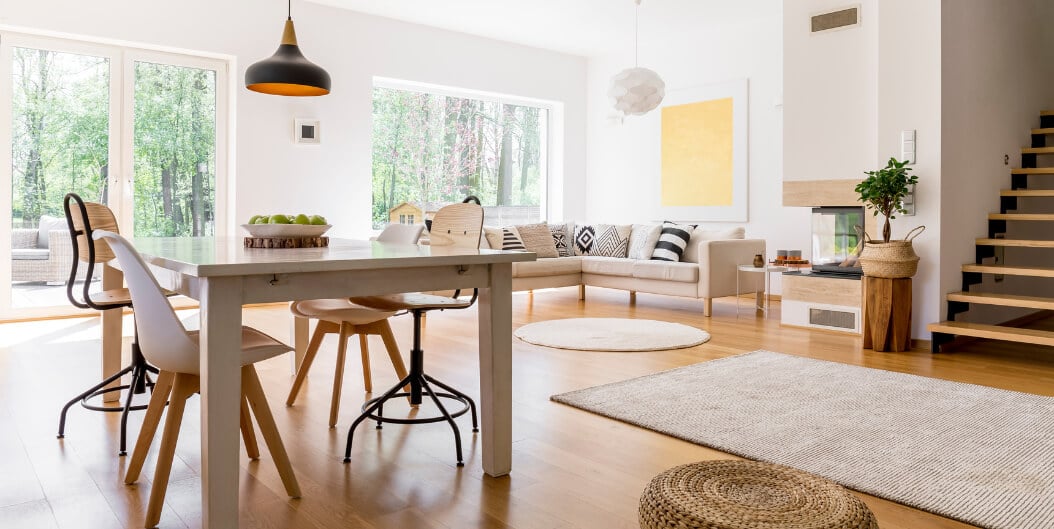
Assisted living communities provide floor plans that prevent falls. Communities prefer residential styles that resemble home floor plans over regular carpeting. They use carpet patterns and colors to hide dirt and wear while also providing cushioning for falls. When choosing hardwood and tile, the most important considerations are slip resistance and ease of maintenance. They also maintain the appearance of real residential flooring, making homes feel more like home.
Lighting design makes it easy to see clearly when using home fixtures, employing warm color temperatures and layered lighting to create spaces that feel cozy and inviting. Pathway lighting and nighttime lighting utilize attractive home fixtures rather than harsh emergency lighting, making it safer to walk around at night while maintaining a comfortable bedroom environment.
Using Furniture Selection That Supports Both Goals of Safety and Home-Like Atmosphere Simultaneously
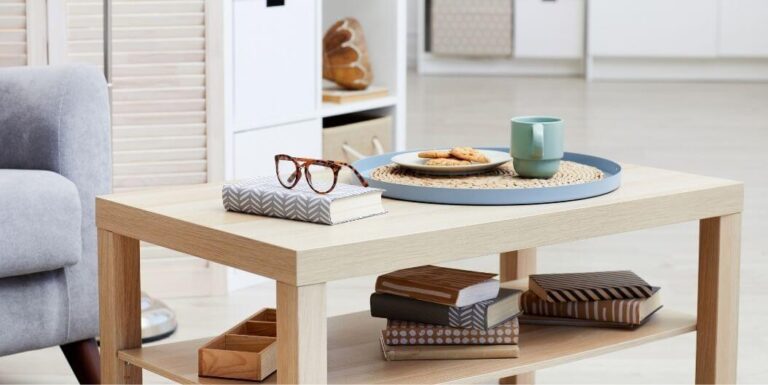
When selecting furniture, opt for pieces that resemble high-quality home furnishings. This includes selecting fragments with the appropriate seat height, sturdy construction, and designs that are easy to remove. Dining room chairs provide the necessary support for your back and are well-made, all while resembling dining sets commonly found in homes. Room layouts ensure that mobility aids and emergency services can easily reach their destinations. They also create comfortable seating and conversation areas to promote social interaction.
Staff Behavior Connects Safety and Hospitality
Staff members assist with safety in ways that resemble help from caring family members or friends. They accomplish this by being warm and personal, rather than cold and professional. Physical assistance with moving around or doing daily tasks is provided through conversation, humor, and personal connection, ensuring your safety and maintaining your dignity.
Strong relationships between staff and residents allow safety monitoring to occur naturally through genuine care and attention rather than formal surveillance. Staff members notice changes in residents because they genuinely know and care about them. Staff can provide safety advice through trusted relationships rather than relying solely on strict rule enforcement, which increases the likelihood that residents will follow safety rules.
They Give Safety Equipment an Aesthetic Appeal
When communities require specific equipment, they often opt for visually appealing models that complement the colors and styles of their homes, thereby prioritizing aesthetics as well as functionality. You may choose wheelchairs, walkers, and other mobility aids based on the functionality and appearance. Assisted living communities prefer options that resemble attractive assistive devices. Emergency supplies, equipment, and safety materials are stored in attractive cabinets or closets that resemble regular home storage.
Integrate Technology in Maintaining Safety and a Home-Like Feel
Smart home technology is integrated into modern assisted living communities. It monitors temperature, activity, and emergencies without being noticed or detracting from the home’s appearance. Technology solutions prioritize safety and can respond to emergencies using systems that resemble modern home automation. Instead of overhead paging, staff communication systems employ separate earpieces and mobile devices.
Common Areas Strike a Balance Between Function and Comfort
Community rooms are designed to be both safe and functional in emergencies, while also serving as comfortable living rooms, libraries, and social spaces that people want to use on a daily basis. Dining rooms meet safety standards for emergency exits and access to proper care while maintaining the cozy, restaurant-like atmosphere that makes meals special.
Safety Drills Do Not Make People Nervous
Emergency procedures and safety education are framed as community readiness rather than crisis management, making residents feel safe and informed while minimizing anxiety. The apartment’s design incorporates safety equipment and emergency exits in a way that protects people while also making them feel safe and comfortable in their daily lives.
Want to Feel Completely Safe and Comfortable in Your Retirement Years? Check Out Bailey Pointe Assisted Living in Plattsmouth
Bailey Pointe Assisted Living at Plattsmouth demonstrates how communities can strike a balance between safety, comfort, and dignity without compromising any of them. If you want to see how assisted living can provide complete safety through home-like methods, this is the place to go. Schedule a tour of our stunning community in Plattsmouth, Nebraska. You’ll see how our personalized care approaches make you feel at home while also providing the safety and security you require to thrive.